
Dental Implants in Houston, TX


The Superior Answer for Replacing Missing Teeth
A missing tooth or two seems innocuous enough, but you’d be surprised at the havoc they can create. The surrounding teeth move, and your bite and alignment can become skewed. Plus, if the tooth is visible, it can make a person hide their smile, and that’s a crime!
Dental implants are more than a procedure; they are the most advanced and lasting solution for missing teeth. Whether you are missing a single tooth or an entire arch, dental implants provide a permanent foundation that looks, feels, and functions just like your natural teeth. At Smile Texas, our exclusive focus on cosmetic and implant dentistry means we don't just place implants—we design and restore them to create a beautiful, cohesive, and confident smile. Our extensive experience ensures a seamless process and a result that is both aesthetically pleasing and built to last.
Implants fuse with your jawbone, offering a fixed, stable foundation for your new teeth.
They look and feel just like your own teeth, allowing you to eat, speak, and smile with total confidence.
Implants stimulate the jawbone, preventing the deterioration that occurs with missing teeth.
With proper care, dental implants can last a lifetime.
1 of 6
A Foundation Built to Last
A dental implant is a prosthetic replacement for a missing tooth or teeth. The tooth could have been lost due to injury or accident, or it could be so badly decayed that it cannot be saved. The name implant actually refers to the anchoring portion of the prosthetic. Shaped like a screw, the implant is made of titanium and screws down into the bone in the socket formerly occupied by the tooth root.
The bone then naturally grows around the implant, making it part of the jaw. Once this process is complete, a post is placed into the implant, and an artificial tooth is placed on top of that. Dental implants behave like natural teeth because they are integrated into the bone. At Smile Texas®, we offer a comprehensive range of Dental Implant options, including full-mouth dental implants, to help you achieve the smile you deserve.



A Seamless Journey to a New Smile
During your consultation with us, we will perform a complete oral exam and a CT scan to determine if you have sufficient bone mass to support implants. Once that is decided, the process involves four steps.
With minimal gum disruption, the titanium implant is screwed down into the bone, and Osseointegration occurs. This is the process whereby the bone grows around the implant, fully integrating it. If only single dental implants are placed (not our Full Arch Dental Implant Smile Makeover), this can take about three to six months. For front teeth, we will place a temporary crown on your implant day of surgery.
Once the implant has securely integrated with the surrounding bone, we attach a small metal post called an abutment to the implant. We then allow the surrounding gum tissue to heal for approximately another six weeks.
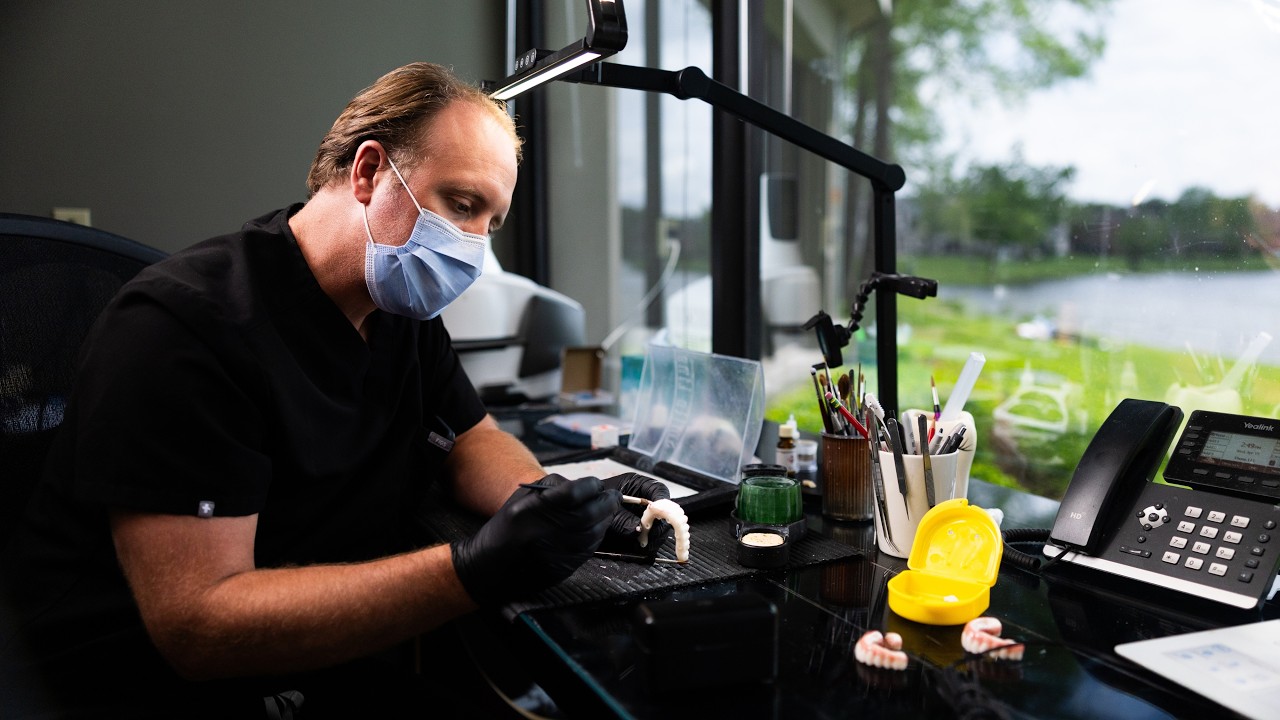
The final step is to attach the false tooth, known as a crown, onto the abutment. This false tooth is custom-made at a dental lab and perfectly matches the surrounding teeth. After placement, you’re ready to go out and use your new implants.
At our practice in Houston dental implants are the ideal solution for:
Support Everywhere You Need It
The dental implants procedure can be used to replace teeth anywhere in the mouth, from a single front tooth to a full arch in the upper or lower jaw.
“Smile Texas completely transformed my smile. I used to have small teeth and was always self-conscious, and went to Smile Texas and got veneers. I absolutely love my smile now and get so many compliments on my smile. Everyone at Smile Texas is so nice and friendly, and I definitely recommend it. Smile Texas changed my life!!” –Kelsey
The Confidence of a Healthy Smile
Many people lose a tooth or two and simply don’t replace them. Of course, this can lead to cosmetic issues with front teeth, but it can also lead to avoiding certain foods if the missing tooth is a molar. Beyond the cosmetic issues, missing teeth cause problems with the other teeth and lead to bone loss.
Without the pressure to stay in place, the adjacent teeth tend to slide over into the open gap, creating issues with your bite and the alignment of your teeth. Plus, when a person chews, a tremendous amount of bite-force energy is transferred through the teeth down into the bone.
This stimulation continually creates new bone mass. Without the stimulation (due to the missing teeth above), the bone in that area begins to deteriorate and resorb. That’s why many people with several missing teeth appear as if their faces are collapsing inward around their mouths.
Dental implants are designed to look, feel, and function as close as possible to natural teeth, making them the most natural replacement option available. Unlike dentures, you don’t need to worry about them slipping, and you can say goodbye to messy adhesives. You can eat anything you want without worry; favorite foods such as corn on the cob can return to your diet! Your beautiful new smile will also prevent gaps in your smile and whistling when you talk, boosting your confidence.

Restored & Complete
The typical recovery time after dental implant surgery depends on factors like how many teeth were replaced and whether other procedures (such as bone grafting) were performed.
Here’s what you can generally expect:
Most patients experience some swelling, discomfort, or minor bruising for a few days following the surgery. These symptoms will subside within the first week or two.
During this phase, the implant fuses with the jawbone. Patients can often resume normal activities within days or weeks. However, the full healing process – where the implant integrates with the bone – can take several months.
Once osseointegration is complete, the abutment and crown or the final prosthetic teeth are attached. This usually occurs 3-6 months after the implant is placed.

With a dental implant smile makeover, you’ll get a close preview of what your final smile may look like immediately after surgery with your temporary teeth. Keep in mind, your smile is always further refined and perfected in the final prosthetics for the best long-term aesthetics and function. You will see the final aesthetic result after your custom crown or bridge has been placed. This occurs once the implant has fully integrated with your bone, providing a stable, permanent foundation for your new tooth.
With meticulous at-home care and regular check-ups, your dental implants can last a lifetime. They are designed to be a permanent solution that restores both the function and aesthetics of your smile.
Not only do dental implants look and function very similarly to natural teeth, they are the closest replacement option to having your real teeth back after tooth loss. They should be cared for just like natural teeth with daily brushing, flossing or water flossing with a Waterpik, and routine professional cleanings and checkups to help keep your implants healthy long term.
Precision Dentistry for Impeccable Results
Our team’s exclusive focus on cosmetic and implant dentistry sets us apart.
We have a deep understanding of the artistry and precision required for successful, natural-looking dental implant results. By providing comprehensive care under one roof, from diagnostics to final restoration, we eliminate the need to visit multiple specialists, creating a seamless and truly world-class experience.
To learn more about dental implants or to schedule a consultation, call our Smile Texas® office at (281) 265-7645.
While traditional dentures have historically been a common solution for replacing missing teeth, many patients find them uncomfortable or limiting because they rest on top of the gums rather than being securely anchored in place. This can lead to slipping, sore spots, difficulty eating certain foods, and ongoing jawbone shrinkage over time.
Dental implants offer a more stable, long-term alternative for replacing missing teeth. Because implants are anchored directly into the jawbone, they provide exceptional support, improved chewing ability, and a more natural-looking smile. They also help stimulate the jawbone, which can reduce bone loss after tooth loss. With proper care, dental implants are designed to be a durable and long-lasting tooth replacement option.
If you are missing a tooth or have a tooth that cannot be predictably saved due to severe damage, decay, or infection, dental implants may be one of several options to restore your smile and oral function. Leaving missing teeth untreated can sometimes lead to shifting of the surrounding teeth, bite changes, difficulty chewing, and additional wear on other areas of the mouth over time.
When a tooth is lost, the neighboring teeth may gradually drift into the open space, which can affect alignment and how your teeth fit together. During your consultation, our Smile Texas® team will evaluate your specific needs and discuss whether dental implants or another restorative option may be the best fit for your long-term oral health goals.
Dental implants are an investment in your long-term oral health, function, and confidence. While the initial cost may be higher than some other tooth replacement options, implants are designed to be a durable, long-lasting solution that can provide significant long-term value.
Because every patient’s needs are unique, the total cost of treatment depends on factors such as the number of implants needed, bone support, and the type of restoration recommended. During your consultation, our doctors will create a personalized treatment plan and review financing options available to help make your new smile more affordable and accessible.
If you have opted for porcelain for your artificial tooth or teeth, they are incredibly resistant to staining. These implants stain far less than natural tooth enamel. However, you may notice some staining if you have opted for acrylic resin for your artificial teeth.
The American Dental Association estimates that over 5 million dental implants are placed every year – and that’s only in the United States!
Dental implants have a success rate of over 90%. This makes them one of the most reliable and effective solutions for replacing missing teeth.
Keep in mind that the likelihood of success can vary based on several factors, including:
A bone graft may be necessary in patients who do not have enough bone in their jaw to support their implants.
Don’t let financial concerns stop you from getting the smile you deserve. We work with multiple third party dental financing companies, including Lending Club, Care Credit, Proceed Finance, and Cherry. One of our Smile Texas® team members can help you apply to one or more of our financial resources.
Dental implant failure is uncommon, especially when implants are properly planned, placed, and maintained. However, as with any surgical or restorative procedure, complications can occasionally occur. Potential factors that may contribute to implant failure include:
Our Smile Texas® team carefully evaluates each patient’s oral health, bone support, and medical history to help maximize long-term implant success. Regular dental visits and good home care are also important for maintaining healthy implants over time.
People with controlled diabetes generally heal well. They have success rates similar to those without diabetes. Uncontrolled diabetes can increase the chances of complications, such as:
To improve success, do the following:
Dental implant procedures are typically much more comfortable than many patients expect, but everyone experiences treatment and healing differently. During your procedure, we use IV sedation and numbing to help keep you relaxed and comfortable throughout the process. After surgery, it is normal to experience some soreness, swelling, and tenderness as your mouth heals.
Most patients describe the discomfort as manageable and similar to other dental procedures. Our team will provide detailed post-operative instructions along with pain management recommendations and medications to help you stay comfortable at home during recovery.