
Dental Bridges in Houston, TX


A Flawless, Fixed Solution
A dental bridge is a classic and reliable way to replace one or more missing teeth. By "bridging" the gap with a set of beautiful, natural-looking porcelain crowns, we can restore both the appearance and function of your smile.
At Smile Texas®, we see every bridge as a work of art. Our deep experience in cosmetic and restorative dentistry ensures that your porcelain bridge not only fits perfectly but also blends seamlessly with your existing teeth, providing a result that is both strong and stunning.
Crafted from high-quality porcelain to match the color and shape of your teeth
Securely bonded to your teeth, a bridge is a permanent fixture you can rely on.
Eat and speak with confidence, as a bridge fully restores your biting and chewing abilities.
Prevent remaining teeth from shifting into the open space, preserving your bite.
With proper care, a porcelain bridge can last for many years.
Easy Smile Restoration
Dental bridges and porcelain fixed bridges are restorative fixtures custom-made to enable a patient to feel confident and enjoy functional chewing and optimal dental health. This restoration gets its name from its ability to physically bridge a gap between two teeth.
In most situations, a bridge has two or more crowns. The exception is the cantilever bridge that is used to replace a posterior molar at the very back of the mouth. The pontic, or artificial tooth, is an integral part of the bridge. This is what sits in the gap. The pontic “floats” over the gums and is fixed in place by the crowns on each side.
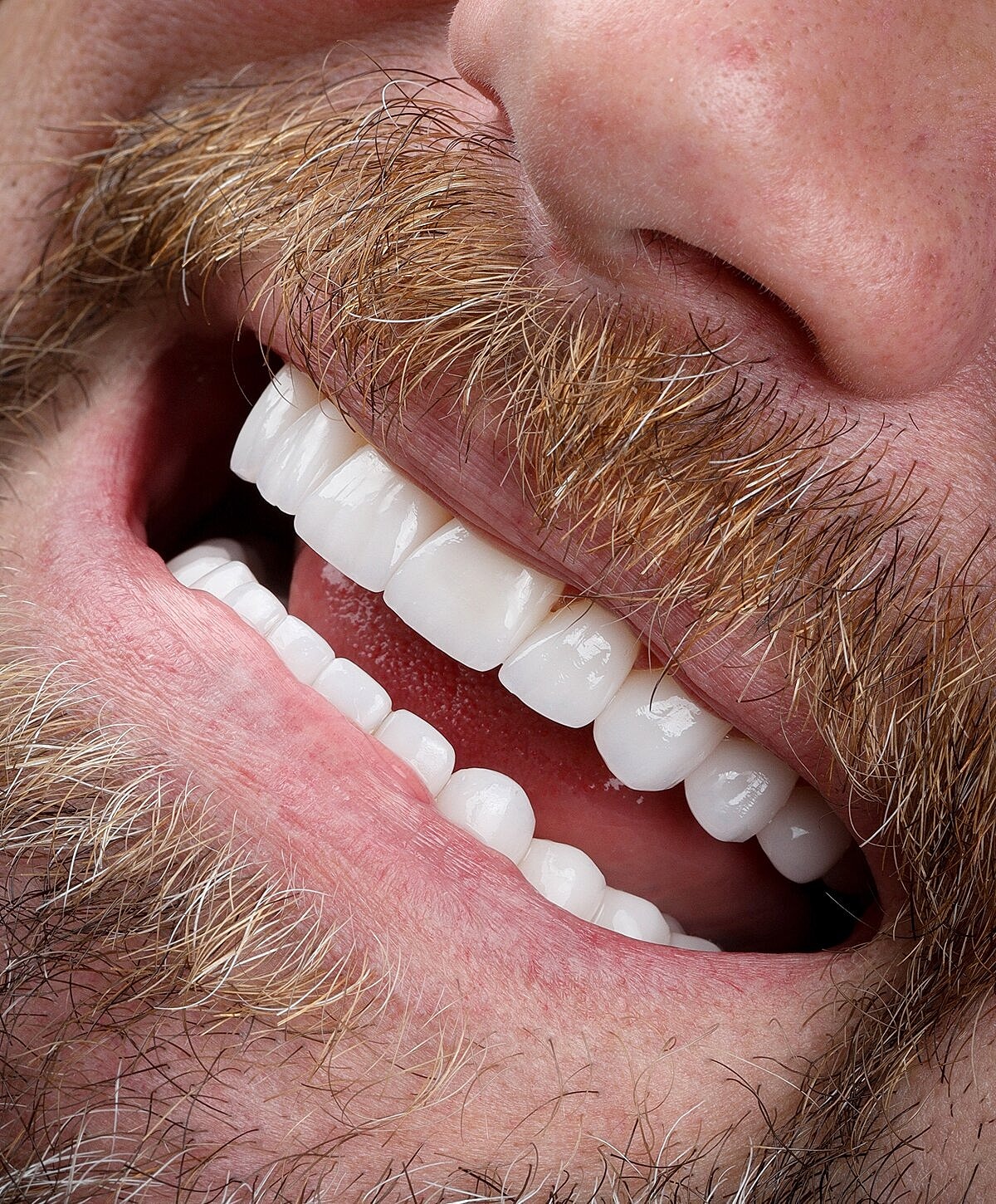
The Science of a Beautiful Smile
Once it is determined that you are a good candidate for the porcelain bridges procedure, your dentist will reshape the natural teeth that sit next to the space where a tooth has been lost. It is necessary to reduce the anchor teeth so dental crowns can be made to fit comfortably over them without affecting your bite. Because tooth reshaping is done with a vibrating dental drill, patients are pre-treated with a local anesthetic. This makes the process painless. In instances of a single missing tooth, the bridge will consist of three pieces: two crowns and a pontic.
When more than one tooth is missing, additional pontics are added in between the two dental crowns. In such instances, additional teeth may need to be crowned, as well, to add stability to the overall structure. Dental crowns and pontics are usually made in a dental laboratory. Therefore, the dentist must take impressions using dental putty. The impressions are made into a 3D model of the area of the mouth being treated.
This model guides the fabrication of dental restorations to ensure they fit well over teeth and also fit naturally against opposing teeth when chewing. After teeth are reduced and impressions are taken, a temporary bridge may be cemented over teeth to wear until the final restorations are ready. This prevents unnecessary risks and promotes optimal comfort between visits. It takes approximately two weeks for the permanent bridge to be ready for placement.
This second visit involves the removal of the temporary crowns or bridge and cleaning all temporary cement from the margins between teeth and gums. The bridge is seated into place, where it is then evaluated for size, color, and bite. Sometimes, minor adjustments are made to ensure the permanent porcelain bridge will be comfortable and fully functional. Once the bridge fits perfectly, it is bonded to the anchor teeth. The dentist or hygienist will demonstrate how to clean around and beneath the pontic.

Drs. Davis and Dooley offer porcelain bridges because this material mimics the reflective nature of natural enamel. Dental porcelain is specially made to retain brightness, color, and integrity against the effects of daily living and eating habits. Porcelain not only resembles natural enamel more closely than other dental materials, but it also resists discoloration.
Dental bridges are fixtures that are stabilized in the mouth by anchoring to adjacent teeth. This requires the dentist to reduce two teeth, which may otherwise be fully intact, to hold the bridge. Dental implant-retained bridges are secured to the jawbone, just like natural teeth. This is accomplished by inserting small titanium cylinders, allowing bone to grow around them, and then attaching artificial teeth via a system of abutments.
Dependable Replacement
When considering porcelain bridges Houston patients can expect them to be an ideal solution when there is:

“I simply cannot write enough positive things about Smile Texas®. For someone that truly hated my smile/teeth, I could not be happier with the results. If you are self-conscious about your smile, do yourself a favor and set up a consultation appointment and arrive early so you can watch the lobby video for a while. You’ll see from the video they really understand how disliking your smile has an effect on you. Take the leap and you’ll join the ranks of everyone else that “wishes they had done it years ago”.”
–Stephen W.
Filling the Gap
Porcelain bridges are most commonly used to replace missing teeth in the front or back of the mouth, where there are healthy abutment teeth on both sides of the gap.
Life-Changing & Long-Lasting
Dental bridges offer several advantages. Examples include:
Expertly Customized Treatment
Many adults who have lost one or more teeth are good candidates for a dental bridge. To confirm this, we conduct a thorough consultation and comprehensive dental examination. We evaluate the teeth around the gap to ensure they are healthy and strong enough to stabilize the bridge. Patients must have good oral health and be free of gum disease to be the best possible candidates for dental bridge treatment. If necessary, we can perform restorative care before commencing with tooth replacement. In this way, we secure the best possible outcome.
A Smooth Path to a Seamless Smile
Bridge treatment involves crowns being placed over one or more teeth. The teeth that are “capped” with crowns may be sensitive or sore for a short time after the procedure. The minor side effects are typically not enough to prevent normal activities, though it is necessary to avoid excessive stress on the teeth as they recover from treatment.
After getting a dental bridge, you may want to:

Perfecting Natural Function & Appearance
Our team’s exclusive focus on cosmetic dentistry means we don't just restore your smile; we perfect it.
We have the experience and artistry to craft a porcelain bridge that not only functions perfectly but also looks completely natural. By providing seamless care under one roof, we ensure that your journey is as comfortable and convenient as the stunning results you'll receive.
Durable Restoration
Porcelain bridges can last from 5 to 15 years. The oral care that is practiced, the foods that are eaten, and the avoidance of certain habits contribute to the longevity of this restorative fixture.
A porcelain dental bridge is made from ultra-durable material. However, it is necessary to take very good care of this fixture so it can last as long as possible. In particular, patients must brush gently but thoroughly around their dental crowns. A special instrument must be used to clean beneath the pontic so bacteria, debris, and plaque do not accumulate in this hard-to-reach area. Patients must also carefully floss around their dental crowns to prevent plaque and tartar buildup. Plaque contains oral bacteria that can cause inflammation and infection in the gums, leading to gum recession that weakens the integrity of the crowns that anchor the bridge.
Routine dental visits are also scheduled to help patients maintain their dental bridges. Exams and cleanings should occur every six months to catch signs of gum disease or tooth decay early.
Dentists have treated tooth loss with dental bridges for many years. The process has consistently achieved outstanding results in qualified cases. We perform a comprehensive examination of the mouth, including the teeth and roots that will anchor a proposed dental bridge, to minimize the risk of damage or poor success. The primary risks of dental bridge treatment are damage to the anchor teeth and decay around dental crowns. With good oral care, bridges are expected to last several years.
Many insurance companies provide some degree of benefit to tooth replacement with a dental bridge. The amount of coverage can differ from one plan to another. Patients are advised to contact their insurance company directly for exact figures based on their plan.
The cost of tooth replacement treatment can vary based on several factors. For example, the number of teeth needing replacement and the performance of other restorative procedures at the time of care. Dental bridge costs may also vary based on selected materials and the use of dental benefits. Our team works with each patient to provide an accurate estimate of treatment that takes into account the use of dental insurance, if applicable.
There are several types of bridges. With a traditional bridge, a crown on each side supports the bridge. A Cantilever bridge uses a crown on just one side to support the bridge.
An implant-supported bridge uses implants on either side to support it. Finally, a Maryland bridge uses a framework bonded to the back of the teeth on both sides of the bridge to hold it in place. You do not need to file the teeth down when choosing a Maryland bridge.
Yes. First, with an implant-supported bridge, your dentist doesn’t have to file your existing teeth down as he does with a crown-supported bridge. The implants replace your natural tooth roots and stimulate bone growth, which means you have less risk of bone loss in the future.
Additionally, implants don’t wear or cause the adjacent teeth to loosen over time, as can sometimes happen with crowns. Finally, an implant-supported bridge feels more secure and is usually more comfortable than partial dentures.
You care for your implant-supported bridge just as you would your natural teeth. Brush and floss daily and keep up with dental checkups. You do have to be sure to clean the area between your gum and the bridge, which may require a smaller toothbrush or a special water flosser.
That depends on the amount of care you give the bridge. It could last from five to 15 years. However, some people have had their bridges last for over 20 years.
A Maryland bridge uses a framework attached to the back of existing teeth instead of crowns or implants. Since they are minimally invasive, they are good for younger people who are still growing. This type of bridge is also great for someone whose health won’t allow them to undergo more invasive procedures, such as crowns or implants.
Additionally, a Maryland bridge helps preserve the structure of your natural teeth since it doesn’t require filing your teeth like crowns do. Finally, this option is usually less expensive than other types of bridges.
If the metal wings on a Maryland bridge loosen, plaque can build up under them, which leads to cavities. Brushing twice per day and flossing at least once per day minimizes the risk of cavities. If you believe your bridge is loose, see your dentist as soon as possible for repairs.